Olive and Acacia Tree Graphics
First Impressions: A Natural Editorial Mood
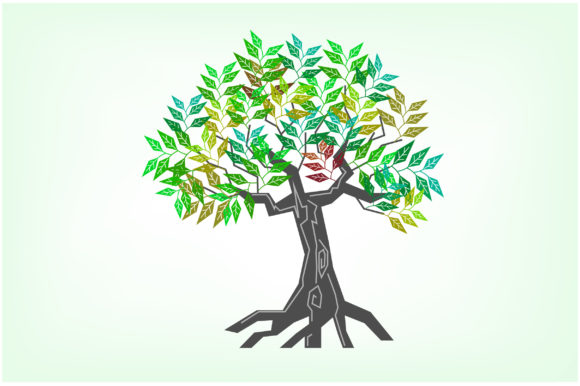
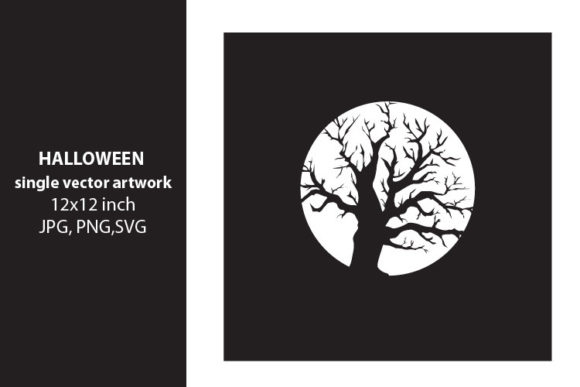
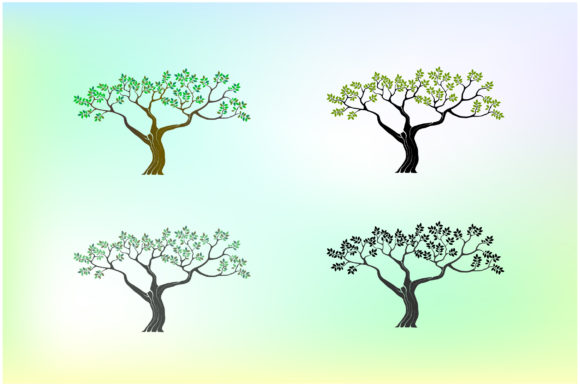
The Olive and Acacia Tree graphic design asset immediately evokes a sense of calm, elegance, and natural beauty. The illustrations are clean, modern, and versatile, making them ideal for content that needs to feel both professional and approachable. These olive and acacia tree vector illustrations have a soft, organic quality that supports a wide range of editorial styles—from lifestyle and wellness to education and environmental topics.
Visual Communication in Editorial Design
As a blog designer and digital publisher, I find the Olive and Acacia Tree to be a strong visual communicator. Its subtle textures and flowing lines create a welcoming atmosphere that encourages readers to engage with the content. This makes it perfect for supporting content that aims to educate, inspire, or inform. Whether used as a header, thumbnail, or background accent, these graphics help set the tone for the reader’s experience.
Real-World Publishing Use Cases
The Olive and Acacia Tree is a valuable asset for any content creator looking to enhance their visual storytelling. Here are some practical use cases:
- Blog Featured Images: These illustrations can serve as striking openers for articles on nature, sustainability, or personal development.
- Pinterest Pins: The olive and acacia tree vector illustrations work well for creating eye-catching pins that align with lifestyle and wellness niches.
- Website Headers: Use them as headers for sections like “About,” “Resources,” or “Contact” to add a touch of visual interest.
- Newsletter Graphics: They’re great for newsletter headers, call-to-action buttons, or visual accents within email content.
- Downloadable Resources: Incorporate them into worksheets, guides, or lead magnets to elevate the perceived value of your digital products.
- Social Media Graphics: These illustrations are perfect for Instagram stories, Facebook posts, or Twitter visuals that require a clean, modern aesthetic.
Supporting Content Performance
Using the Olive and Acacia Tree in your publishing workflow can significantly improve content performance. It offers stronger first impressions, clearer visual hierarchy, and better click-through potential. By integrating these graphics into your editorial design, you can build more consistent brand identity and foster greater reader trust.
Additionally, these graphic design assets help with category recognition and visual identity. Whether you're creating a digital guide or an affiliate marketing page, the Olive and Acacia Tree adds a polished look that enhances the professionalism of your content.
Where Olive and Acacia Tree Works Best
The Olive and Acacia Tree shines in areas where a gentle, natural aesthetic is desired. It works exceptionally well in:
- Hero Images: As a large, high-quality image at the top of a webpage, it creates a strong visual anchor.
- Article Thumbnails: It helps users quickly identify the topic and style of the article.
- Pinterest Pins: Its clean lines and organic shapes make it ideal for social media engagement.
- Blog Graphics: From post images to sidebar accents, these illustrations add visual depth without overwhelming the layout.
- Editorial Accents: Use them as decorative elements in magazine-style layouts or web pages.
- Content Upgrades: These graphics can be used in downloadable resources to support your lead magnet strategy.
- Category Visuals: They help establish a cohesive look across different sections of your website.
- Social Media Previews: They enhance the appearance of shared links and drive higher engagement.
When to Use with Caution
While the Olive and Acacia Tree is highly versatile, there are situations where it may not be the best fit. For example:
- Small Mobile Thumbnails: These illustrations may not scale well on tiny screens, so always test them on mobile devices.
- Text-Heavy Blog Images: Avoid using them as primary images for articles with dense text, as they might distract from the content.
- Low-Contrast Backgrounds: Ensure the design asset stands out against the background color to maintain readability.
- BUSY Layouts: Use it sparingly in complex designs to avoid visual clutter.
- Serious Professional Niches: While it’s suitable for many industries, it may not be the best choice for corporate or finance-related content.
Publisher Notes for Optimal Use
To ensure the best results when using the Olive and Acacia Tree, follow these practical tips:
- Test on Desktop and Mobile: Always preview your design on multiple screen sizes to ensure responsiveness.
- Check Thumbnail Appearance: Make sure the illustration looks good as a small preview image.
- Preview in Real Blog Layouts: Test how the graphic integrates with your existing website design.
- Test with Headline Text: Ensure the combination of text and image doesn’t compromise readability.
- Check Contrast and Readability: Use tools to verify that the design asset remains legible on different backgrounds.
- Try in Black and White: Confirm that the illustration still holds up without color.
- Place Beside Different Fonts: Test the graphic with serif, sans-serif, script, and display fonts to find the best pairing.
- Review File Size: Optimize the file size for web performance without sacrificing quality.
- Compress Images Properly: Use tools to reduce load times while maintaining visual clarity.
- Confirm Commercial Licensing: Ensure you have the right to use the graphic design asset on monetized websites, affiliate pages, or paid content products.
Conclusion: Elevating Your Content with Olive and Acacia Tree
The Olive and Acacia Tree is a versatile and elegant graphic design asset that can elevate your content across multiple platforms. Whether you're building a blog, designing a digital guide, or creating social media graphics, these olive and acacia tree vector illustrations offer a refined look that supports both editorial quality and brand identity. With careful implementation, they can help you create more engaging, professional, and visually appealing content for your audience.